🔎 CHECK THE SCREEN, THEN THE CLAIM
A character guide should describe a visible behavior and a usable response. “FC starts in the back rooms” is not enough if the same edition never presents an independent FC state, route or button interaction.
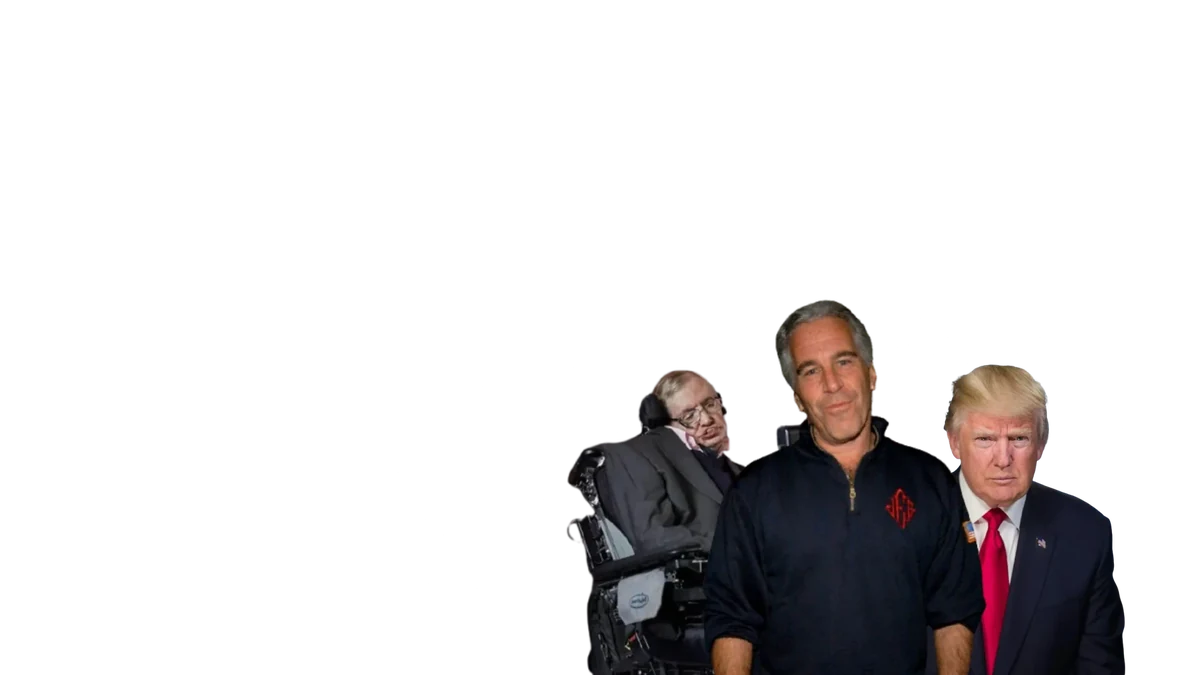
In this browser package, the active enemy logic tracks Epstein, Trump and Stephen Hawking. Menu flickers use additional images, but those images do not establish a fourth roaming character. Treating every picture as another live threat makes an already busy night harder for no practical benefit.
| What a guide says | What to verify before acting |
|---|---|
| A character responds to sound | Can you identify that character separately in this edition? |
| An extra enemy starts at a distant camera | Does the actual game introduce that responsibility? |
| A face flashes at the menu | Is it gameplay, a menu effect or an ending image? |
HOW TO USE AN UNMATCHED WALKTHROUGH
Keep any advice that matches what you can observe: adjacent lures, vent timing or a CAM 6 warning. Set aside the extra character assignment until you can verify it. You do not need to reject an entire guide because one paragraph belongs to another build.
The same caution applies to claims about seven nights, an E-key defense or a Custom Night menu. Those features may describe another release or a copied description. The versions page gives you a compact way to identify mismatches.
For the opponents you can actively manage in this package, return to the character reference. If your loss is unclear, identify the last cue using Common Mistakes instead of assigning it to an unverified fourth enemy.