The destination is too far
A favorite camera is not automatically adjacent. Check the current room’s connections.
He is a moving position on a connected map. The next useful action depends on where he is now, not where you would like him to be.
Epstein begins at CAM 11. On the first night his arrival is delayed, which gives you time to learn the panels. Later nights remove that comfortable opening.
Compare his dark outline against a remembered room. A quick look is useful only if you can distinguish a genuine absence from a silhouette you failed to notice. If the nearest feeds are empty, broaden the scan. His forward steps can land outside the sound-neighbor list, so that list alone cannot tell you where he went.
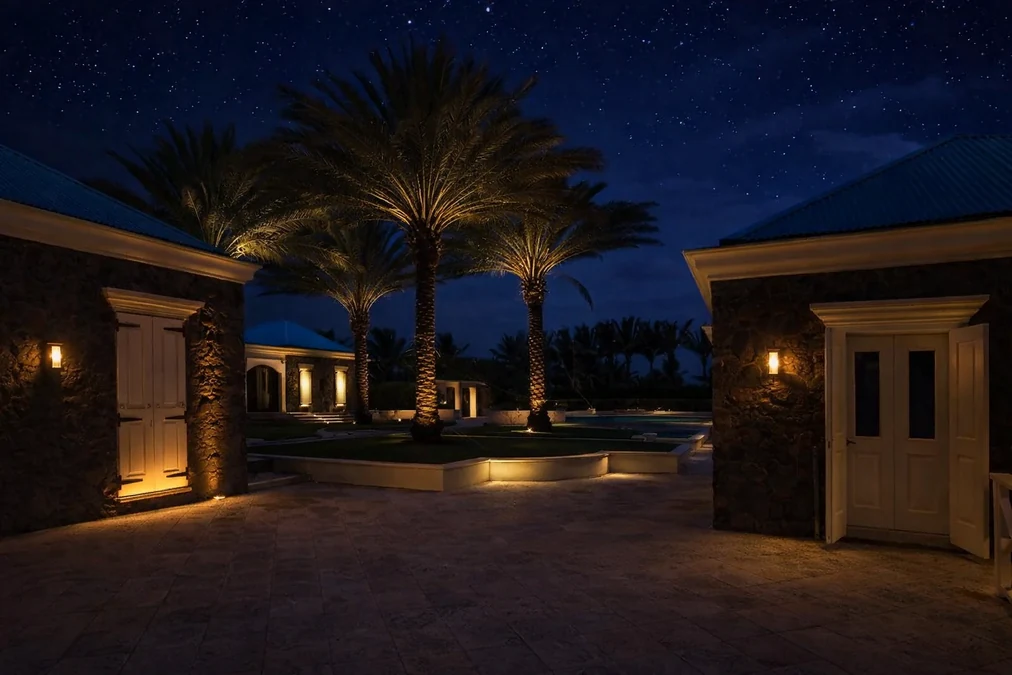
A favorite camera is not automatically adjacent. Check the current room’s connections.
He may have moved while you handled another system. Reacquire before treating the last plan as current.
Repeatedly spending sound on one room can waste attempts. Rotate the route and verify the response.
A close sighting is a reason to simplify. You need a reachable lure, a functioning camera system and a clear reading of the next move. A long search through every distant room adds little once you know the threat is near the office.
The vents do not block his ordinary office approach. That is why a sealed fan and a falling oxygen number can coexist with an approaching Epstein. Use the defense that matches this character, then handle any vent event as its own responsibility.
Later-night lure resistance means a valid choice can still fail. Judge the result from the feed rather than counting every button press as a successful retreat. Leave room in your plan for an unchanged position.
Use Camera Map for the connections. If repeated sounds lead to an outage, see Camera Errors. Epstein’s Special Night covers the bonus mode’s tighter movement rhythm.